


What can we do about animal hoarding?
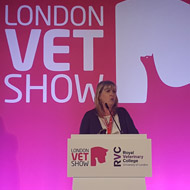
Vicky Halls divided hoarders into three categories: overwhelmed caregiver, rescue hoarder and exploiter.
Cats are the most common animal to be hoarded, yet they also suffer acutely from the stress of overcrowding, as well as the disease, neglect and inbreeding problems associated with these environments. So how can we spot the animal hoarder among our clients? And what should we be doing about it?
Finding demographics for the UK is difficult but in the US, a 1999 study found 76 per cent of hoarders were female and nearly half of these (46 per cent) were over the age of 60. Most were single and around 50 per cent lived alone.
Speaking at London Vet Show, cat behaviour counsellor Vicky Halls divided hoarders into three categories: overwhelmed caregiver, rescue hoarder and exploiter. Overwhelmed caregivers have some awareness of their negative circumstances but they are incapable of resolving it. They are not such active acquirers but will never say no to a stray or relinquished animal. In addition, these hoarders are socially isolated, with no one to regulate their sense of reality. Their self esteem is intrinsically linked with their 'care-giving'.
Rescue hoarders begin with a mission to save animals but end up keeping them because, in their view, no one else can provide such good care for them. They acquire animals more actively and have a fear of death, believing in 'natural' deaths or avoidance of death, rather than euthanasia. They tend to have a network of 'enablers' - people who believe they are doing a good thing, which reinforces their distorted reality.
Exploiters often have sociopathic tendencies; they feel no guilt or remorse and are charming, charismatic, manipulative and cunning. They adopt the controlling and authoritative role of an 'expert'.
Common characteristics among hoarders are that they perceive themselves as rescuers, they express a love of animals (though in reality it is a selfish and distorted love) and they are highly anthropomorphic, with little knowledge about the species they are keeping. They generally hoard other items as well as animals, so they live in cluttered environments, and also have non-functioning utilities such as lighting and plumbing.
Hoarders often share chaotic childhoods with inconsistent parenting; they sometimes believe they have a special ability to communicate with cats; and they are repeat offenders.
Early recognition and intervention is key, Halls said. If left unchecked, hoarding problems will progress and the individual will become less receptive to help. She asked delegates to consider their client base and reach out to those who may be struggling. In practice, warning signs may be clients who request medication without the vet seeing the animal, those who bring in a cat in poor condition claiming they have 'just found' it, or those who are reluctant or unable to say how many cats they own.
Speaking to them is difficult as they will justify, excuse and normalise the behaviour. Halls said it is important to be empathic, respectful, practical and non-judgemental in order to avoid alienating them. It is also essential to keep thorough records of every conversation or encounter with them, and take photos of the cats you treat. A paper trail is key as such individuals are likely to distort the facts.
A contract can also be used to set the expectations between you in terms of behaviour and respect; Halls believes this can help to keep the situation amicable and keep suitable boundaries in place.
She also advises vets to develop informal links with social services, and of course, to report cases to the RSPCA where appropriate. For clarity on client confidentiality, RCVS Council member David Catlow advised delegates to contact the Royal College's professional conduct department for guidance.


 Eligible members of BEVA will be able to vote for their Council team until Monday, 17 August 2026. Members will have received an election email on 17 July.



