


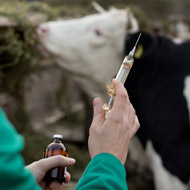
Report shows UK is on track to meet 2018 target
Sales of veterinary antibiotics in the UK have fallen to their lowest level in four years, according to a new report.
Published by Defra, the UK Veterinary Antibiotic Resistance and Sales Surveillance (VARSS) report shows overall sales of antibiotics fell by nine per cent for 2014 to 2015.
In the same period, sales of antibiotics for food-producing animals fell by 10 per cent from 62 mg/kg to 56mg/kg, putting the UK on track to meet ambitious targets to tackle antimicrobial resistance.
Besides to the overall reduction, the report shows reductions on antibiotics that are of the highest priority and of critical importance to people. Sales of these antibiotics remain low, contributing to just one per cent of all antibiotics sold for use in animals in 2015.
Welcoming the findings, Defra minister for rural affairs and biosecurity Lord Gardiner said: “Antibiotic resistance is the biggest threat to modern medicine and we must act now to help keep antibiotics effective for future generations. This report shows the hard work of our vets and farmers is already making a real impact.
“Our farmers and vets are setting an excellent example for others around the world to follow, upholding the UK’s position at the forefront of international efforts to tackle AMR.”
At the 71st General Assembly of the United Nations, 193 countries signed a landmark declaration to rid the world of drug resistant infections. The world leaders agreed to foster innovative approaches using alternatives to antimicrobials and new technologies for diagnosis and vaccines.
In September, Defra committed to a reduction in antibiotic use in animals farmed for food to an average of 50 mg/kg by 2018. In efforts to cut its antibiotic use, the poultry industry almost halved its use of critically important antibiotics from 2012 to 2015 by improving training, stewardship, stockmanship and disease control. The pig industry also established a successful online system to record, benchmark and control antibiotic use.
The UK’s Chief Veterinary Officer, Nigel Gibbens, said: “The UK is making good progress in the fight against AMR and it is particularly encouraging to see how engaged and committed the industry is to this cause.
“Those who work with animals have a key role to play in the global fight against antibiotic resistance to monitor use and reduce it wherever we can. Clearly, we must not ease up in our efforts, but it is great to see that we are on track.”
Published annually by the Veterinary Medicines Directorate, the VARRS report provides the previous year’s data on the quantity of authorised veterinary antibiotics sold throughout the UK. It also provides results from surveillance programmes looking at antibiotic resistance.


 Companies marketing medicines for small pets exempt from authorisation must submit their annual return to the Veterinary Medicines Directorate (VMD) by 30 November 2026.



