


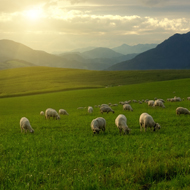
Dog owners urged to keep their pets under control
A month-long campaign to raise awareness among dog owners about the devastating effects of livestock worrying has been launched in Scotland.
The campaign coincides with a rise in livestock attack during November - a time when sheep are brought down to low-lying pasture, which is more accessible by dog walkers.
Working with Scottish Natural Heritage, The Scottish Partnership Against Rural Crime - which includes NFU Scotland, Police Scotland and Scottish Land & Estates - aims to promote responsible dog walking in the countryside.
It urges dog owners and those who choose to exercise their dogs in the countryside, to keep their animals under control at all times.
“The Scottish Outdoor Access Code says that dogs shouldn’t be taken into fields where there are lambs or other young farm animals,” said inspector Jane Donaldson, Police Scotland rural crime co-ordinator.
“The worrying of sheep and other livestock by domestic dogs not only has an obvious financial and emotional impact on farmers when their animals are killed or injured, but also has an effect on the animals themselves, their productivity and welfare.”
A recent campaign by Police Scotland during this year’s lambing season saw reports of livestock worrying increase by 55 per cent. In three-quarters of those cases, the offending dog was local to the area. Furthermore, over half of all incidents involved a dog roaming free, and where no owner or responsible person was present.
“The partners involved in this initiative are also encouraging farmers to help educate dog owners and dog walkers and prevent incidents occurring,” added Inspector Donaldson.
“We are encouraging farmers and landowners to engage with dog walkers and to help by putting up signs up on gateways and on key roads and paths alerting them to the presence of sheep and other livestock in their fields”.
Farmers and those who use the countryside are urged to report all incidents of livestock worrying to police on 101 or 999 in an emergency.


 Companies marketing medicines for small pets exempt from authorisation must submit their annual return to the Veterinary Medicines Directorate (VMD) by 30 November 2026.



