


US government takes unique approach to wildlife trafficking
The US government is testing the African giant pouch rat to see if it can help detect illegal shipments of pangolins in Tanzania.
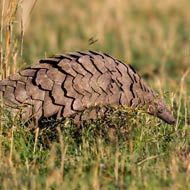
Listed as vulnerable on the IUCN Red List of endangered species, pangolins are the world’s most trafficked mammal. Illegally traded for their skin and scales, every part of a pangolin is thought to have some medicinal value.
Now a huge grant from the US Fish and Wildlife Service (USFWS) will see rats trained to detect illegal shipments of pangolins. According to The Guardian, some $100,000 will be spent on training African giant pouch rats to detect the animals. They will also learn how to communicate this to their human handlers.
The innovative approach forms part of a bigger $1.2 million package of funding, which will be used to:
• Help forest patrols reduce poaching threats to tigers and other species in Indonesia
• Use sniffer dogs to combat trafficking in saga horn in Kazakhstan
• Support conservation-religion partnerships to combat illegal wildlife trade in Malaysia.
Commenting on the funding, USFWS service director Dan Ashe said: “These grants provide much-needed resources to support projects on the ground where wildlife trafficking is decimating some of the Earth’s most cherished and most unusual species.
“These grant recipients are using pioneering approaches to address the illegal wildlife trade in the places where it starts and where demand for wildlife products feeds the criminal supply chain of illegal goods.”
Previously, African pouch rats have been trained to detect landmines and tuberculosis.
In 1995, Bart Weetjens, a Belgian rat enthusiast, formed Apopo - a social enterprise that researches, develops and implements detection rats technology. Since the organisation was formed, their rats have identified over 5,000 TB patients and detected 1,500 buried landlines.


 Companies marketing medicines for small pets exempt from authorisation must submit their annual return to the Veterinary Medicines Directorate (VMD) by 30 November 2026.



