


Redesign for FSA's regulatory role
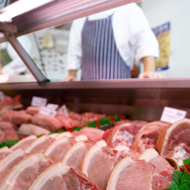
The new pilot scheme will redistribute regulation to selected companies including Tesco and restaurant chain Mitchell and Butlers.
The Food Standards Agency (FSA) is to restructure the way in which food regulation is delivered as part of its 'Food We Can Trust' strategic goal. Increasing demands and pressure on the agency’s current inspection model have sparked a need to readdress how resources are distributed.
In a key note speech at the agency’s Parliamentary Reception, Heather Hancock, FSA chairperson said: "We will move away from a one size fits all approach, to tailored and proportionate regulation that reflects risk, reinforces accountability and delivers more for public health."
The new pilot scheme will redistribute regulation to selected companies including Tesco and restaurant chain Mitchell and Butlers, capitalising on larger companies' own auditing and sampling techniques to monitor and ensure food safety.
The decision has received a mixed response, with critics concerned about the reliability of self-regulation. However, rapid technological and economical changes in the sector have driven the agency to explore alternative means of keeping pace with the industry.
Heather Hancock continued: "We will use robust industry data to help assure compliance and tackle public trust." She went on to praise the success of the Food Hygiene Rating Scheme (FHRS): "Businesses seek higher ratings, and that competitive element drives up levels of compliance."
The pilots will run between now and December 2016. The new regime proper is expected by 2020.


 Companies marketing medicines for small pets exempt from authorisation must submit their annual return to the Veterinary Medicines Directorate (VMD) by 30 November 2026.



