


Seabird colonies rebuilt on Scilly
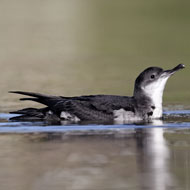
In the last three years, the work of the project has seen numbers of Manx shearwater grow from 22 pairs in 2013 to 73 pairs in 2016.
The Seabird Recovery Project, based in the Isles of Scilly, was formulated with the aim of rebuilding two species of bird populations: the European storm petrel and the Manx shearwater.
Over the last 25 years, numbers of both species have seriously declined due to the predation of the non-native brown rat. The project has focused on creating safe places for the birds to breed, with special attention on St Agnes and Gugh, as well as the surrounding islands. This February, both St Agnes and Gugh were declared ‘rat-free’ as a result of the successful extermination programme.
In the last three years, the work of the project has seen numbers of Manx shearwater grow from 22 pairs in 2013 to 73 pairs in 2016. In the same time, storm petrels have started breeding again with nine new breeding sites and six chicks recorded calling at night.
The campaign has been supported by the entire community, from farmers and councillors to school children and their families. Everyone has played their part in keeping the island rat-free; checking monitoring stations and ROAR-ing (‘Rat On A Rat’) if they find anything untoward.
Unlike past attempts, the Seabird Recovery Project on the Isles of Scilly has been supported by the right planning, funding, community support and professional guidance and has delivered brilliant results for both wildlife and people. The government is committed to restoring nature in a generation and can be encouraged by the efforts of the Seabird Recovery Project.


 Companies marketing medicines for small pets exempt from authorisation must submit their annual return to the Veterinary Medicines Directorate (VMD) by 30 November 2026.



