


Wales rules out 'England-style' badger cull
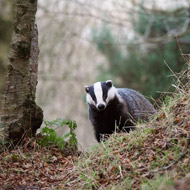
Griffiths acknowledged the role played by wildlife in some TB breakdowns but said Wales will not carry out an 'England-style' badger cull.
The Welsh government has ruled out a large scale badger cull, such as the one in England, but will consider cage trapping and humanely killing infected badgers.
Under its refreshed TB eradication programme, which was unveiled this week, Wales will also establish 'low', 'intermediate' and 'high' TB incidence areas across the country. Each area will be given a tailored approach to reflect its individual disease risks and conditions.
Other new measures include strengthening cattle controls, meaning chronic breakdown herds will have individual action plans developed by farmers, vets and the Animal and Plant Health Agency (APHA).
A consultation is being held on measures to protect the 'low TB' area, and to reduce disease in the 'intermediate' and 'high' areas.
The current programme for TB eradication comes to an end this year. Since it was introduced in 2012, the number of new TB incidents in Wales is down by 19 per cent.
Lesley Griffiths, cabinet secretary for environment and rural affairs, said: "I am keen to build on this success and speed up progress, which is why I am looking to introduce enhanced, evidence-based measures."
Griffiths acknowledged the role played by wildlife in some TB breakdowns but said Wales will not carry out an 'England-style' badger cull, with farmers free-shooting both infected and healthy badgers.
A range of other options will be considered, including a strategy piloted in Northern Ireland whereby badgers were cage trapped and humanely killed if they were infected with TB. Working alongside vets and wildlife experts, the cabinet secretary will explore whether a similar approach could be used in high incidence areas where there is chronic herd breakdown, and an objective confirmation that badgers are infected.
Griffiths confirmed that the BadgerBCG vaccine will not be available in 2017. The government is monitoring the situation and exploring the availability of other vaccines. However, she said it is "too soon" to think about deploying a vaccine, until more is known about when the supply will be restored.
The refreshed TB programme has been welcomed by the BVA. Neil Paton, president of the Welsh branch, said he was "particularly heartened" to see the focus on risk-based assessment, and the targeting of chronically infected herds with individual action plans.
However, he said if the new plan does not include badger culling by cage trapping and shooting, an evidence-based plan will be needed and other options must be proposed.
For more information on the consultation, visit: https://consultations.gov.wales/consultations/refreshed-tb-eradication-programme


 Companies marketing medicines for small pets exempt from authorisation must submit their annual return to the Veterinary Medicines Directorate (VMD) by 30 November 2026.



