


Cites meeting described as 'game changer'
Delegates at the meeting rejected Swaziland's proposal to sell just over 300kg of stockpiled rhino horn.
The triennial Cites meeting in Johannesburg has been hailed as a 'game changer' for vulnerable wildlife, with 152 governments coming together to make decisions on 62 proposals.
During two weeks of negotiations world governments have adopted a suite of actions to combat illicit wildlife trafficking, higher protection for groups of species and agreements on closer engagement with rural communities.
Among species to gain extra protection were the African grey parrot, elephant and pangolin.
Delegates at the meeting rejected Swaziland's proposal to sell just over 300kg of stockpiled rhino horn, followed by around 20kg each year derived from its small population of white rhinos. The request was rejected by 100 votes to 26, with 17 countries abstaining from the vote.
The Born Free Foundation welcomed the decision saying it would have legitimised rhino horn in the eyes of consumers, and undermined efforts to protect the species.
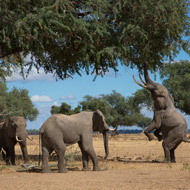
Delegates also soundly rejected attempts by Zimbabwe and Namibia to sell their ivory stockpiles to international buyers. Currently elephant populations in the two countries are protected under the Cites Appendix II listing, which prevents the sale of their ivory. The proposals wold have removed these restrictions but failed to win the support of a two-thirds majority.
However, the European Union (EU) blocked proposals to acquire a Cites Appendix I listing for elephants in South Africa, Namibia, Botswana and Zimbabwe, as is the case for the rest of Africa's elephants. The proposal was put forward by the African Elephant Coalition, whose 29 members make up the majority of elephant range states, but failed because the EU voted against.
Born Free called the EU's decision "a disgrace" and "totally out of touch with the wishes of EU citizens".
Despite the vote, Botswana's environment minister, the Honourable Tsekedi Kharma, said his country would voluntarily treat its elephant populations as though they were Appendix I, removing the possibility of ivory trade from Botswana.
There was also a proposal to ban international trade of lion products by listing Africa's lions on Appendix I, but negotiations resulted in a compromise whereby lions remain on Appendix II but with a moratorium on commercial trade in bones and other products from wild lions. Captive breeders evaded the ban, however.
All in all 51 proposals were accepted, five rejected and six withdrawn.
Cites secretary-general John E Scanlon said the meeting was "a game changer that will be remembered as a point in history when the tide turned in favour of ensuring the survival of our most vulnerable wildlife."


 Companies marketing medicines for small pets exempt from authorisation must submit their annual return to the Veterinary Medicines Directorate (VMD) by 30 November 2026.



