


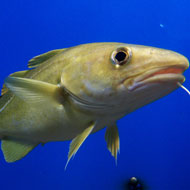
Fish communication sounds have regional variations
Steve Simpson, associate professor of marine biology and global change at the University of Exeter has identified regional variations in American and European cod 'voices' by using sophisticated underwater listening equipment.
After extensive research into bioacoustics in relation to the impact of maritime noise pollution on fish, Professor Simpson is now investigating whether dialectal changes occur in localised spawning regions around the United Kingdom.
Repeated generations of vocal fish, including cod and haddock, from the same area could be resulting in the development of regional accents among fish populations.
Professor Simpson and his team have been researching the impact of speedboats, maritime construction and ships on fish populations, where vocal communication is important in breeding and attracting mates.
The research has also revealed the stress impact of noise on fish through bad decision making during feeding and predator evasion.
Professor Simpson said: “Fish produce a variety of sounds, sometimes using their swim bladders to make thumping and rumbling sounds, to establish territories, raise the alarm and attract mates. In noisy places the ‘gossip’ essential to their society is being drowned out. If we value our fish stocks – or our Friday night fish supper – we need to understand this.”
His research has described the sound made by American cod as a “staccato, banging, bop bop bop sound.” Alternatively, European cod make a “deep rumbling growling” sound.
Image by August Linnman/Alinnman/Wikipedia/CC BY-SA 2.0


 Companies marketing medicines for small pets exempt from authorisation must submit their annual return to the Veterinary Medicines Directorate (VMD) by 30 November 2026.



