


Avian malaria wipes out Exmoor Zoo penguins
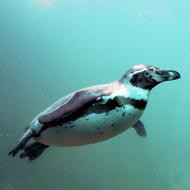
As a coastal species, penguins do not have evolutionary immunity to avian malaria. (stock photo)
Exmoor Zoo has lost its entire population of penguins after the birds contracted avian malaria. Despite the efforts of staff and veterinary surgeons, the birds, some of who were offspring of the zoo’s original penguins when it opened in 1982, all perished.
As a coastal species, penguins do not have evolutionary immunity to avian malaria, which is a protozoan that is transmitted by mosquitoes and biting flies which do not occur near the sea. With over 60 known strains of the disease, captive colonies only develop resistance to strains that they are regularly exposed to.
Anti-malarial drugs are ineffective for those already infected, however, if administered in time they can prevent other birds contracting the disease. Symptoms are difficult to identify and the disease cannot be detected in blood samples.
In a statement on Facebook, Exmoor Zoo explained: 'Our penguins were in moult in August and would have been stressed (as they would be in the wild/naturally) and their resistance would have been at a low ebb and their skin exposed. The rainfall and high humidity with the lack of wind this summer especially may have allowed a reservoir of disease to accumulate here.'
The outbreak occurred only days after Longleat Safari Park lost many of their Humbolt penguins to the disease. Exmoor Zoo are now assessing whether their location poses an additional risk to potential future colonies and the decision to reinstate a new population will be carefully considered.


 Companies marketing medicines for small pets exempt from authorisation must submit their annual return to the Veterinary Medicines Directorate (VMD) by 30 November 2026.



