


Total trade ban in all eight species agreed
The Convention on International Trade in Endangered Species of Wild Fauna and Flora (Cites) has addressed the plight of the eight species of pangolin at the seventeenth Conference of the Parties (COP) in South Africa.
An overwhelming support, without a vote, for increased protection from most range state countries will see the species moved from appendix II to appendix I: banning trade of all four African and four Asian species.
Since the beginning of the year, authorities seized 18,000 tonnes of pangolin scales, mostly from African pangolins, in Ghana, Cameroon and Nigeria. With three to four pangolins required for one kilogram of scales, the decision to up-list at the COP was only contested by Indonesia in reference to Sunda and Chinese varieties. It was overturned by consensus.
In a statement to the BBC, Ginette Hemley from WWF said: “This is a huge win and rare piece of good news for some of the world’s most trafficked and endangered animals.”
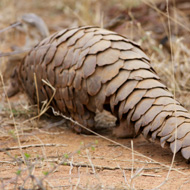
Distinctive as the only scaled mammal, the nocturnal pangolin is hunted for its protective scales, which are predominantly used in traditional Chinese medicine.
The combination of the threat from Asian markets and the trade of bush meat in parts of Africa and China have left the pangolin on the brink of extinction as the world’s most illegally trafficked mammal. Levels of illegal trade are estimated to account for approximately 20 per cent of all illegal trade in species.
Image © David Brossard/ Wikimedia Commons/CC BY-SA 2.0


 Companies marketing medicines for small pets exempt from authorisation must submit their annual return to the Veterinary Medicines Directorate (VMD) by 30 November 2026.



