


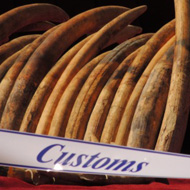
Born Free welcome CITES decision following drop in elephant numbers
Votes to end a decade-long discussion over the establishment of future trade in ivory, have been embraced by wildlife charity, Born Free Foundation. The ballot took place at the conference of Parties to the Convention on International Trade in Endangered Species (CITES), held its 17th meeting in Johannesburg, South Africa.
Delegates from 20 parties voted to continue talks whilst a resounding 76 parties voted against talks, with 13 abstentions. The vote follows the recent Great Elephant Census, a survey of Savannah elephants, published earlier this month. The survey showed a 30 per cent drop in numbers over the past seven years, totalling less than 400,000 Savannah elephants.
Will Travers OBE, President and CEO of Born Free Foundation and President of the Species Survival Network said: "The decision by CITES to end these long, inappropriate and dangerous discussions about a future trade in ivory is long overdue and much to be welcomed. Of course, we must be steadfast as it still has to be ratified in the final plenary session of this meeting which takes place next week but, if it holds, then it is good news for elephants and bad news for poachers and ivory smugglers. It is one more step taken at this crucial CITES conference and I am delighted that the UK played a positive role, along with EU colleagues, in supporting the view of the majority of African elephant range states.
"Had the Parties to CITES decided to continue with talks about what a future ivory trade would look like, it would have almost inevitably stimulated poaching, given comfort to the criminal syndicates behind much of the poaching, and been totally out of step with global public opinion which seeks an end to the ivory trade."
Born Free has been campaigning for more than 30 years to stop the illicit trade in ivory and to protect and conserve Africa's elephants. For more information on the ivory trade see www.bloodyivory.org.
Image courtesy of Born Free


 Companies marketing medicines for small pets exempt from authorisation must submit their annual return to the Veterinary Medicines Directorate (VMD) by 30 November 2026.



