


Divided poaching debate continues in Johannesburg
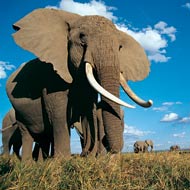
Currently, elephants are protected by Appendix II, which still allows trade in species and parts.
The Convention on the International Trade in Endangered Species (CITES) commenced on Saturday 24 September with the elephant poaching and ivory trade legislation debate expected to dominate the 2,500 delegates from 180 countries.
Plummeting numbers and concerning rises in illegal ivory activities despite current restrictions have generated a variety of proposals with polarised approaches to the current elephant problem.
Currently, elephants are protected by Appendix II, which still allows trade in species and parts. Many African countries attending the meeting are seeking raising restrictions to Appendix I for all African elephants, to entirely criminalise ivory trade. However, Zimbabwe and Namibia are proposing liberalisation of the restrictions.
Conservation groups who are backing the tougher stance on poachers have been troubled by the CITES secretariat who are hesitant to impose the up-listing to Appendix I, due to concerns it will drive certain nations to opt out of CITES altogether.
Iris Ho from Humane Society International said: “There is no greater protection for imperilled species from detrimental trade than an Appendix I listing. A continued split-listing of the African elephant is akin to a declaration by CITES to open the ivory trade for business.”
A surge in poaching has seen elephant numbers fall by 30 per cent in seven years. Despite initial numbers suggesting a slowing of the trend, 2015 data has suggested that high levels of ivory and high levels of poaching are as big a threat as ever.
The seventeenth COP in the 43-year history of CITES is running until 5 October.


 Companies marketing medicines for small pets exempt from authorisation must submit their annual return to the Veterinary Medicines Directorate (VMD) by 30 November 2026.



