


Trophy hunting 'could help to conserve lions' - study
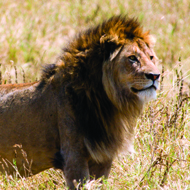
"Increasing block fees, reducing trophy fees and reducing the hunting quota could bring in the same tax revenue, while reducing the temptation of hunters to kill more lions."
Scientists from the UK and Australia say that controlled trophy hunting of lions could help to conserve the species, but an overhaul of the current system is needed.
Lions need large protected areas but managing this land is expensive; researchers say the operating budgets for protected areas in developing countries cover an average of just 30 per cent of the costs.
A year after an American dentist and recreational hunter killed Cecil the lion outside Hwange National Park in Zimbabwe, researchers from the Universities of Cambridge, Kent and Queensland studied lion population trends in Tanzania's Selous Game Reserve between 1996 and 2008.
Tanzania is Africa's main location for lion trophy hunting, and is also home to up to half the world's free-ranging lions. The game reserve is split into blocks in which hunting rights are allocated to different companies. The government leases land to the hunting companies, enforces hunting regulations and allocates a species-specific annual quota per block.
Under the current system blocks are sold off cheaply and further cash raised by setting high quotas and high fees for each trophy animal shot, explains senior author Professor Nigel Leader-Williams. This encourages companies that are allocated blocks for short periods (less than 10 years) to shoot more lions, researchers write in the journal PLOS ONE.
The team found that companies allocated a block for less than 10 years killed more lions, and more trophy species generally. Annual financial returns for these blocks were also higher. But for those allocated land for more than 10 years, the number of licensed lion kills were at a sustainable level for the species and also maintained their habitat.
Prof Leader-Williams, who is from Cambridge's department of geography, said: "Increasing block fees, reducing trophy fees and reducing the hunting quota could bring in the same tax revenue, while reducing the temptation of hunters to kill more lions."
First author Dr Henry Brink, from the University of Kent, called the findings "an important lesson" for lion conservation, as the species is increasingly restricted to protected areas due to loss of habitat.


 Companies marketing medicines for small pets exempt from authorisation must submit their annual return to the Veterinary Medicines Directorate (VMD) by 30 November 2026.



