


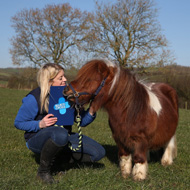
National Equine Health Survey (NEHS) results disclosed
Osteoarthritis and limb conditions are predominantly responsible for the continuing trend in horse lameness. The Blue Cross NEHS records were returned in May and investigated the nation’s equine health, with increasing participant numbers reaching 16,751 horses, ponies, donkeys and mules.
Of the 38 per cent of horses that were recorded as having health problems, a third (32.9 per cent) were lame, and of these, 47.4 per cent were suffering from proximal limb lameness, with the majority suffering from degenerative joint disease. Foot lameness accounted for approximately one third of all cases and cases of pus in the foot have doubled since last year. The persistent wet weather around the time of the survey is thought to be the cause of the increase.
Gemma Taylor, education officer at Blue Cross, said: “The significant increase in participation again this year shows that owners and keepers of horses are really getting behind the survey and recognising its importance in safeguarding the future health of the UK’s horses.”
The 2016 survey, which was distributed in May, listed the six most notable diseases and syndromes as lameness, followed by skin diseases (25.5 per cent), laminitis (6.8 per cent), followed by PPID (equine Cushing’s disease), recurrent airway obstruction and back problems.
Josh Slater from the Royal Veterinary College and member of BEVA’s Health and Medicines Committee analysed the data and said: “The data gleaned from the survey remains consistent year on year, confirming the reliability of our findings for benchmarking, referencing and research.”
The 2016 NEHS survey results are available to download from http://www.bluecross.org.uk/nehs2016reults


 Companies marketing medicines for small pets exempt from authorisation must submit their annual return to the Veterinary Medicines Directorate (VMD) by 30 November 2026.



