


World’s only alpine parrot facing extinction
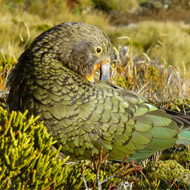
Current estimates suggest there are between 1,000 and 5,000 kea left in the wild.
One of the world's most intelligent birds is under threat of extinction according to new research.
The New Zealand kea is the world's only alpine parrot. Found in the mountain ranges of the South Island, kea are described as inquisitive and nomadic - characteristics which help them to find and utilise new food sources.
Wild kea population numbers have been low for some time. Current estimates suggest there are between 1,000 and 5,000 kea left in the wild. However, new studies show that two-thirds of all chicks never reach fledgling stage.
The Kea Conservation Trust, which conducted the studies, have identified several threats to the species, which include mammalian predators, lead in kea habitat, and ground-based pest-control devices.
Speaking to The Guardian, Tamsin Orr-Waler, chair of the Kea Conservation trust, explained: "Kea are one of the most maligned of New Zealand birds, as well as one of our most loved.
“One of the most interesting things about kea is they are one of the few wild species that seek out humans. That is really rare, and it is that inquisitive nature that is getting them into trouble because a lot of the ways humans interact with them is endangering their survival.”
She adds that lead poisoning is particularly difficult to tackle as there are thousands of buildings scattered around remote parts of the South Island that could poison the birds.
"We can educate people about how to behave responsibly with kea , and we can enclose protected environments, but the lead poisoning is hard," said Josh Kemp from New Zealand's department of conservation.
In the late 1860s, an estimated 150,000 kea were killed thanks to a government bounty introduced over conflict with sheep farmers.
Fewer than 5,000 individuals remain across an area of 3.5 million hectares and they are now listed as 'Nationally Threatened' (NZ Threat Classification List) and 'Vulnerable, population decreasing' under the IUCN Red List.


 Companies marketing medicines for small pets exempt from authorisation must submit their annual return to the Veterinary Medicines Directorate (VMD) by 30 November 2026.



