


Proposals to update licensing rules win support
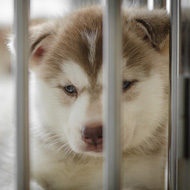
Sixty-four per cent agreed that those who breed three or more litters a year should require a licence.
A public consultation has revealed wide support for many of the government's proposals to update the licensing of animal establishments.
Over 1,700 members of the public, industry, animal welfare organisations and local authorities shared their views, which will help to inform the development of new secondary legislation under the Animal Welfare Act 2006.
When it came to puppy breeding, 90 per cent of respondents felt the sale of puppies under the age of eight weeks should be banned, while 64 per cent agreed that those who breed three or more litters a year should require a licence. However, many felt the threshold should be two litters, or even one.
There were mixed views on proposals to exempt businesses from licensing requirements if they are affiliated with a UKAS-accredited body. Over a quarter of respondents (26.5 per cent) answered 'don't know' while over 40 per cent opposed the idea and a third supported it.
Those against were concerned that the system could be too confusing, lack consistency and allow some businesses to 'slip through the net'.
There was also disagreement about the proposal to increase the maximum licence length to three years. While nearly half approved of this proposal, 40 per cent were against it, arguing that a lot can change in three years. Standards may slip, staff may change and all of this could impact animal welfare. There were also fears that over stretched local authorities could issue longer licences to save time and resources, not because the business in question was 'low risk'.
Respondents rejected proposals to allow the licence holder to transfer their licence to new owners of the premises. Over 60 per cent said they were against this as licences should be granted to the person, not the premises (or both should be taken into account). The owner of the business was felt to be significant in determining welfare.
Other responses included:
- Over 70 per cent agreed with the introduction of a single Animal Establishment Licence for animal boarding, pet shops, riding establishments and dog breeding. However, respondents said different requirements would be needed to cover different types of establishments
- Seventy-one per cent supported proposals to promote/require the use of the Model Conditions by local authorities
- The majority (90 per cent) felt pet sellers should be required to provide written information when selling animals, but highlighted the need for this information to be standardised and approved by experts
- Ninety-four per cent said local authorities should be told about major changes (e.g. change of premises or scale of activities) as this could impact welfare
- Over 70 per cent thought local authorities should have powers of entry, but were concerned about the need for a warrant and prior notice, as well as the fact that only four inspectors would have this power
A summary of the responses can be found here: https://www.gov.uk/government/uploads/system/uploads/attachment_data/file/552955/animal-establishments-consult-sum-resp.pdf


 Eligible members of BEVA will be able to vote for their Council team until Monday, 17 August 2026. Members will have received an election email on 17 July.



