


Humans driving marine life to extinction, study finds
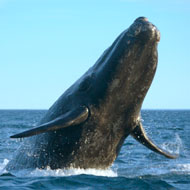
The selective extinction of large-bodied animals may have 'serious consequences' for the health of marine ecosystems.
Human fishing is driving larger-bodied marine mammals to extinction, according to research led by Stanford University.
In a new study, published in the journal Science, researchers examined the association between extinction threat level and ecological traits, like body size, for two major groups of marine mammals - molluscs and vertebrates.
Comparing today's data with the ancient past, they found the modern era is unique in the extent to which creatures with larger body sizes are being preferentially targeted for extinction.
"What our analysis shows is that for every factor of 10 increase in body mass, the odds of being threatened by extinction go up by a factor of 13 or so," said Jonathan Payne, a paleobiologist at Standford's School of Earth, Energy & Environmental Sciences. "The bigger you are, the more likely you are to be facing extinction."
Scientists say the selective extinction of large-bodied animals may have 'serious consequences' for the health of marine ecosystems. This is because they tend to be at the top of the food chain and their movements help to cycle nutrients through the ocean.
While the study did not directly examine why large modern marine mammals are at a higher risk of extinction, their findings are consistent with a growing body of scientific literature that point to humans as the main culprits.
"It is consistent with the tendency for fisheries to first exploit larger species and subsequently move down the food web and target smaller species,” said study co-author Matthew Knope, assistant professor of biology at the University of Hawai‘i at Hilo.
Despite the troubling findings, the researchers believe there is still time for humans to change their behaviour.
“We can’t do much to quickly reverse the trends of ocean warming or ocean acidification, which are both real threats that must be addressed. But we can change treaties related to how we hunt and fish," said Dr Payne.
"Fish populations also have the potential to recover much more quickly than climate or ocean chemistry. We can turn this situation around relatively quickly with appropriate management decisions at the national and international level.”


 Companies marketing medicines for small pets exempt from authorisation must submit their annual return to the Veterinary Medicines Directorate (VMD) by 30 November 2026.



