


Genetics indicate invasion route to South American Pacific coast
Vampire bat rabies virus (VBRV) could spread to the Pacific coast of South America within four years, according to new research which used 'genetic forecasting' to predict the route of viral invasion.
The findings, which were published in the journal PNAS, have implications for human health, agriculture and wildlife conservation.
VBRV causes lethal rabies outbreaks in humans, particularly in the Amazon rainforest, and kills large numbers of livestock across Latin America. But the movement patterns of infected bats are unknown and difficult to measure, making it difficult to predict future viral invasions.
Led by the University of Glasgow, researchers used genetic markers to link patterns of bat dispersal with pathogen spread. DNA analysis showed evidence of bat movement - with a strong male bias - across the Andes Mountains, connecting the Amazon rainforest where VBRV is endemic, and the Pacific Coast, which is free from the virus.
The research suggests that greater dispersal of male bats compared with female bats is creating a 'corridor' for rabies to spread across the Andes.
Lead author Dr Daniel Streicker said the results are important because they show sex-based dispersal is an underrated mechanism for pathogens to spread across landscapes.
"Sex biases in dispersal are ubiquitous in animals, so similar mechanisms could be an important factor shaping the spread of other pathogens through wildlife populations such as white nose syndrome or Ebola virus in bats.
"If rabies continues to traverse the Andes and arrives to currently uninfected vampire bat populations on the Pacific Coast, this will have important practical implications for rabies control programs in Peru, and potentially Ecuador and Chile."
It could also create opportunities for rabies to spread to new species that bats feed on, such as sea lions.
Scientists predict future viral invasion through northern Peru, with the first outbreaks occurring on the South American Pacific coast by 2020.
Additional reports on outbreaks in livestock after the initial genetic data was collected indicate that the virus is travelling towards the Pacific Coast along the predicted routes.
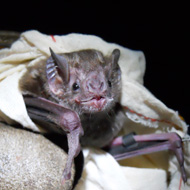
Image © Daniel Streicker


 Companies marketing medicines for small pets exempt from authorisation must submit their annual return to the Veterinary Medicines Directorate (VMD) by 30 November 2026.



