


Grouse shooting ban will be debated by MPs
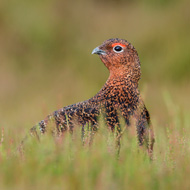
Campaigners are calling for the sport to be banned as they say it is linked with the illegal killing of birds of prey, such as hen harriers, which eat red grouse.
A ban on driven grouse shooting will be debated in parliament after a petition launched by conservationist Mark Avery hit over 120,000 signatures.
Campaigners are calling for the sport to be banned as they say it is linked with the illegal killing of birds of prey, such as hen harriers, which eat red grouse.
The petition reached 100,000 signatures last month, meaning it would be automatically considered for debate. This week Dr Avery revealed the petitions committee had decided to schedule a debate, though a date has not yet been set.
Support for the petition surged over the past month as a number of birds of prey were reported to have vanished. RSPB Scotland recently announced the disappearance of a young hen harrier from the Monadhliath Mountains - the same area where eight golden eagles have gone missing in less than five years.
RSPB staff say the evidence suggests the birds are being illegally killed and their satellite tags destroyed. They are calling for grouse shooting estates to be licensed so they can be banned if necessary.
Scottish cabinet secretary Roseanna Cunningham also warned that the government is prepared to introduce further regulation of shooting estates if necessary.
Commenting on the upcoming debate, Dr Avery told the Guardian he was "delighted" by the outcome: "Grouse shooting is underpinned by wildlife crime. Birds of prey, that have been fully protected by law since the Winston Churchill government of 1954, are routinely, systematically and ruthlessly killed because they eat grouse.
"It's a conflict between a sport for the rich and our wildlife."
The British Association for Shooting and Conservation, meanwhile, said it would strongly oppose a ban.
The group's director of conservation Tim Russell is quoted by the Guardian as saying: "We welcome this debate because it provides an opportunity to correct some of the misinformation that has been spread by anti-shooting extremists.
"Grouse shooting makes a significant contribution to the economy, provides jobs and investment in some of the UK's most remote areas and offers important benefits for wildlife and habitat conservation."


 Companies marketing medicines for small pets exempt from authorisation must submit their annual return to the Veterinary Medicines Directorate (VMD) by 30 November 2026.



