


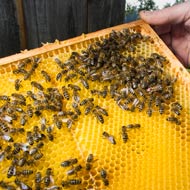
Beekeepers not informed about spraying
Thousands of bees have been killed in the US by an insecticide intended to eradicate mosquitoes.
In August, Dorchester County began aerial spraying in South Carolina to help control the mosquito population. According to CNN, it forms part of the county’s efforts to control Zika after four local residents were diagnosed with the virus.
But beekeepers in the area have since reported serious damage to their hives. Flower Town Bee Farm and Supply in Summerville say they have lost over two million bees.
Speaking to CNN, company co-owner Juanita Stanley said that farm "looked like it’s been nuked."
"On Saturday, it was total energy, millions of bees foraging, pollinating, making honey for winter," she said. “Today, it stinks of death. Maggots and other insects are feeding on the honey and the baby bees who are still in the hives. It's heartbreaking.”
Ms Stanley added that she had not protected the hives because she wasn’t informed about the aerial spraying.
The product used to spray the area contained a pesticide called naled. According to the manufacturer’s label, Trumpet is 'highly toxic to bees exposed to direct treatment on blooming crops or weeds.
'To minimize hazard to bees, it is recommended that the product is not applied more than two hours after sunrise or two hours before sunset, limiting application to times when bees are least active,' it reads.
While Dorchester County did post a warning for residents on their website two days before the spraying, they did not contact local beekeepers.
“Nobody called me about the aerial spraying; nobody told me at all,” Ms Stanley told CNN. She added that she "would have been screaming and pleading on their doorstep if they had."
Dorchester County has since apologised to those who have lost hives and will be reviewing its procedures.


 Companies marketing medicines for small pets exempt from authorisation must submit their annual return to the Veterinary Medicines Directorate (VMD) by 30 November 2026.



