


Born Free calls for international intervention
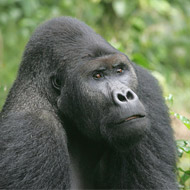
Eastern lowland gorillas are on the brink of extinction, according to the International Union for the Conservation of Nature (IUCN).
On Sunday (4 September) the IUCN placed the subspecies in its ‘Critically Endangered’ Red List category, meaning the animal faces an extremely high risk of extinction in the wild.
Now the international wildlife charity Born Free Foundation are calling for international intervention to prevent a ‘conservation disaster’.
“It is shocking that the world’s largest and most powerful primate has been reduced to this, but this change in IUCN Red List status is actually long overdue,” said Born Free’s wildlife consultant Ian Redmond.
“For years our courageous Congolese colleagues have been attempting to collect the data to confirm what many suspected – poaching of this spectacular species is out of control. Now is the time for a concerted international response to bring security to both people and wildlife in this part of the DRC.”
Eastern lowland gorillas live only in the remote forests of the eastern Democratic Republic of Congo. Over the past 20 years, their population has fallen from around 17,000 to about 3,800.
The main causes of decline are illegal hunting for bushmeat for local consumption and commercial trade in both meat and live infants.
The situation is worsened by conflict and the presence of large numbers of armed insurgents in the region. Rebel groups terrorise villagers and fight to control lucrative mines that supply minerals to the electronics industry.
Born Free say that anyone with a mobile phone, laptop or games console is likely to have unwittingly paid hunters to kill gorillas, forest elephants and other animals to feed the miners and militias.
“It is time for the United Nations, in partnership with the Range States, to intervene to bring stability and security to the area and for conservation agencies to support effective and long-lasting conservation programmes to support local communities, to ensure the survival of the species and its habitat,” said Will Travers, president and CEO of Born Free.
“Killing of these animals for bushmeat, the trade in their young as pets, and the systematic destruction of their habitats, must be addressed as a matter of the utmost urgency."
Image (C) Rick Murphy/Wikimedia Commons


 Companies marketing medicines for small pets exempt from authorisation must submit their annual return to the Veterinary Medicines Directorate (VMD) by 30 November 2026.



