


Over a quarter 'never restrain dogs in the car'
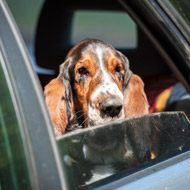
According to Rule 57 of the Highway Code, drivers must make sure dogs and other animals are suitably restrained to reduce the risk of distractions while driving.
Over a quarter of dog owners say they never restrain their dog in the car, a new survey has revealed. Yet 22 per cent of vets surveyed had witnessed a canine fatality as a result of travelling in a car without proper restraint.
Nearly a fifth (18 per cent) of vets who took part in the survey had treated animals for injuries sustained as a result of poor restraint in the car, ranging from broken bones (39 per cent) to minor injuries such as bruising (33 per cent).
Direct Line Pet Insurance, who carried out the research, asked vets about the safest methods of restraint for dogs. Over half (53 per cent) advocated a dog seat belt and harness, 31 per cent a crate or cage and 13 per cent a barrier between the boot and back seat.
For smaller animals, vets recommended a carrier (67 per cent) or secure basket (31 per cent).
Vets reported seeing a number of dangerous methods being used by owners to restrain animals, including passengers holding animals on their laps, putting them in a cardboard box, letting them roam free in the vehicle or even putting a chain or rope around the animal's neck.
According to Rule 57 of the Highway Code, drivers must make sure dogs and other animals are suitably restrained to reduce the risk of distractions while driving.
Prit Powar, Direct Line's head of pet insurance, commented: "Some owners trust their animals to roam free around the car. However, even the most well behaved animal can become easily spooked or excited, which could distract you from the road, putting both you and your pet in danger. It’s important to adhere to the Highway Code to make sure you, your passengers and your pet is safe."


 Eligible members of BEVA will be able to vote for their Council team until Monday, 17 August 2026. Members will have received an election email on 17 July.



