


New PEDv vaccine shows promise
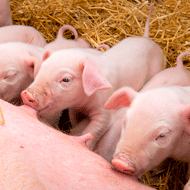
PEDv can kill up to 100 per cent of infected piglets.
Canadian scientists have developed a vaccine against the deadly porcine epidemic diarrhoea virus (PEDv), which has killed more than eight million pigs since 2013.
Since it first hit the US three years ago, PEDv spread to Canada in 2014 and is becoming increasingly problematic in Asian countries. It can kill up to 100 per cent of infected piglets.
In less than a year, the University of Saskatchewan has developed and tested a prototype vaccine, using its new containment level three facility, the Vaccine and Infectious Disease Organization-International Vaccine Centre (VIDO-InterVac)
Research director Dr Volker Gerdts, said the new facility provided the infrastructure to develop the vaccine and demonstrate that it can protect up to 100 per cent of piglets.
Following the success of testing, VIDO-InterVac has partnered with the animal health company Huvepharma to develop the technology for commercial production in North America.
"Our goal is to have the vaccine available for commercial use as soon as possible to help stop producer losses," said Dr Boris Gavrilov, senior scientist for biologics development at Huvepharma.
The vaccine is currently undergoing field testing in Saskatchewan and also Manitoba, where it is being used on piglets in the midst of a recent PEDv outbreak.
Neil Ketilson, general manager at Sask Pork, which works on behalf of Saskatchewan pork producers, commented: "This is great news for the swine industry both in Canada and globally, as PEDv continues to threaten unaffected regions and impact areas where it is already present."


 Companies marketing medicines for small pets exempt from authorisation must submit their annual return to the Veterinary Medicines Directorate (VMD) by 30 November 2026.



