


Collaboration to improve livestock production
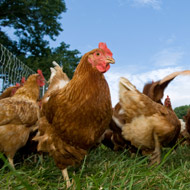
The teams will explore precision breeding technology in chicken, pig and turkey breeding.
A collaboration between the Roslin Institute and Hendrix Genetics, a global leader in animal breeding, is set to improve the sustainability of animal production.
According to a press release, the researchers will focus on driving innovations that lead to greater disease resistance in farmed animals, as well as better selective breeding programmes.
Their aim is to reduce loss and improve welfare in the fish farming and livestock industries.
The Roslin Institute already collaborates with the salmon breeding company Landcatch, owned by Hendrix Genetics.
Together the organisations found a gene that makes salmon more resilient to a viral disease. This also led to the development of genetic tools that have improved selective breeding for resistance to sea lice.
Through this new research, the teams hope to grow and strengthen their relationship. They will explore precision breeding technology, not just in aquaculture, but also in chicken, pig and turkey breeding.
"This partnership with Roslin offers a unique opportunity to improve our breeding programs through applied research projects using the latest genome technology," said Dr Johan van Arendon, chief innovation and technology officer at Hendrix Genetics.
Dr Ross Houston, a group leader in aquaculture genetics at Roslin, adds: "This is an exciting development which will allow us to build on past successes with Hendrix Genetics Aquaculture and facilitate new projects to improve disease resistance in salmon and other species through selective breeding."


 Companies marketing medicines for small pets exempt from authorisation must submit their annual return to the Veterinary Medicines Directorate (VMD) by 30 November 2026.



