


Virus alters plant's scent to attract bumblebees
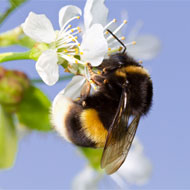
The bees consistently flew to the infected plants first and spent longer at those plants.
Cucumber mosaic virus (CMV) attracts bumblebees to infected plants by changing their aroma, a study by the University of Cambridge has found.
With declining bee populations, the research published in the journal PLOS Pathogens suggests that recreating the smell could encourage pollination. In turn, this would help both bee and human food supplies.
"Bees provide a vital pollination service in the production of three-quarters of the world's food crops. With their numbers in rapid decline, scientists have been searching for ways to harness pollinator power to boost agricultural yields," explains study principal investigator Dr John Carr.
"Better understanding of the natural chemicals that attract bees could provide ways of enhancing pollination and attracting bees to good sources of pollen and nectar - which they need for survival," he adds.
Transmitted by aphids, CMV is one of the most prevalent pathogens affecting tomato plants. The disease results in small plants with poor tasting fruit that can cause serious losses to cultivated crops.
In the study, the researchers grew plants in individual containers and gathered air with emissions from CMV-infected plants, in addition to 'mock-infected' control plants.
Through mass spectrometry, the team could see the change in emissions induced by the virus and discovered that bumblebees could detect those changes.
The team released the bees one at a time into a small 'flight arena' in the university's botanic gardens. The bees consistently flew to the infected plants first and spent longer at those plants.
Further analysis found the virus produces a factor called 2b, which re-programmes genetic expression in the tomato plants, triggering a change in scent.
The researchers say their findings will form the basis of a new partnership with the Royal Horticultural Society, in which they hope to increase pollinator services for cultivated crops.


 Companies marketing medicines for small pets exempt from authorisation must submit their annual return to the Veterinary Medicines Directorate (VMD) by 30 November 2026.



