


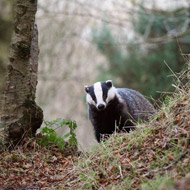
Study to determine prevalence of TB in 'edge counties'
Researchers are looking for evidence of tuberculosis (TB) in badgers that are killed on the roads.
The study aims to shed light on whether badgers living in the counties on the edge of the cattle TB epidemic are infected.
Funded by DEFRA, the collaborative study will involve teams from the Universities of Surrey, Liverpool and Nottingham.
“Using road-killed badgers is a valuable way of studying disease and conservation issues in wildlife that makes use of an otherwise wasted resource," said study leader Professor Malcolm Bennett.
"The prevalence and geographic distribution of TB in badgers on the edge of the cattle epidemic is currently unknown yet of obvious importance to future TB control policy. While there is a wealth of evidence to inform cattle-based control measures, the role, if any, of badgers in the spread of bTB in the edge counties is not yet clear so we are keen to address this.”
The team is currently putting together a network of wildlife groups, farmers and other stakeholder groups to collect badger carcases for examination.
The collectors will be given special kits and protocols to ensure their safety and that the carcasses are suitable for the study.
For safety reasons, the team cannot accept badgers from the general public. But the researchers are keen to make contact with organisations and stakeholders that might wish to be involved.
For more information about the survey and to find out how to get involved, visit: http://www.nottingham.ac.uk/vet/survey-for-tb-in-road-killed-badgers.aspx


 Companies marketing medicines for small pets exempt from authorisation must submit their annual return to the Veterinary Medicines Directorate (VMD) by 30 November 2026.



