


Steps taken to address GSD concerns
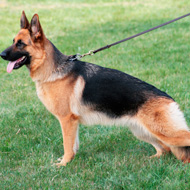
Dogs must be exhibited free-standing in the ring, with no stacking, and judges must not tolerate double-handling.
The Kennel Club is taking steps to address growing concerns about German shepherd dogs (GSDs), after controversy over Crufts 2016 brought the issue to a head.
The show faced criticism when a judge awarded 'best of breed' to a GSD with a sloped back that appeared to be struggling to walk.
As a result, a number of new measures came into force on 1 August, including an update to the breed standard, new requirements for judges and a review of the Category Three Breed veterinary check guidelines for the breed.
Kennel Club secretary Caroline Kisko said the organisation was left with "no option" but to take action. Despite working with the breed clubs for 'a significant number of years', various initiatives designed to improve matters have had 'very little effect', the Kennel Club said in a statement.
A review group was set up to consider issues such as the culture of double-handling, which the Kennel Club says is widely practised and condoned at GSD club shows. It is felt this is having a negative impact on the temperament of the dogs, which often appear greatly stressed while they are being exhibited and at other times. Erratic movement and exaggerated conformation were also examined.
Initially, de-registration of the breed was considered, but there were concerns that this could drive breeders outside of the Kennel Club's influence, leading to further declines in the breed.
Instead, all championship show judging contracts for 2018 and beyond have been suspended with immediate effect, until judges attend a Kennel Club education seminar. All judges will be expected to adhere to the points made in the seminar, which will include the need for dogs to be exhibited 'in as natural a manner as possible' on a loose lead only. Also, dogs must be exhibited free-standing in the ring, with no stacking, and judges must not tolerate double-handling.
The GSD breed standard has also been updated to emphasise that dogs must be able to stand calmly, comfortably and freely, whilst being unsupported in any way.
The Kennel Club will be appointing representatives who will attend all championship shows where challenge certificates are on offer for the breed. Their role will be to work with show societies and judges to put a stop to double-handling, putting an escalation procedure into place if necessary. Shows and judges who allow double-handling or ignore the breed standard could risk rejection of their future status.
Commenting on the changes, Ms Kisko said: "This situation simply cannot continue as not only is the health and welfare of the breed at risk but this is having a detrimental effect on the reputation of all breeders, pedigree dogs, dog showing and the Kennel Club."


 Eligible members of BEVA will be able to vote for their Council team until Monday, 17 August 2026. Members will have received an election email on 17 July.



