


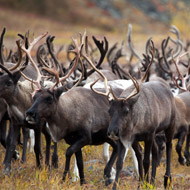
Disease kills 12-year-old boy in Russia
An outbreak of anthrax in Russia that recently claimed the life of a 12-year-old boy has been linked to rising temperatures.
According to The Guardian, the boy was one of 72 nomadic herders hospitalised in the town of Salekhard after thousands of reindeer began dying from the disease.
Experts with the Russian Ministry of Agriculture told CNN that the outbreak might have originated from the thawing of an infected reindeer.
The animal was buried in permafrost over 70 years ago. However, a recent heat wave, where temperatures soared to 35C, exposed it to the open air. From there, the infection is thought to have passed to other reindeer and, subsequently, nomad herders.
Anthrax is a serious infectious disease caused by bacteria called Bacillus Anthracis, according to the Centers for Disease Control and Prevention. It can be found naturally in soil and commonly affects domestic and wild animals across the globe.
Although the disease is rare, people can get infected with anthrax if they come into contact with infected animals or contaminated animal products.
So far, reports suggest that five adults and two other children have also been diagnosed with the illness, which has not been seen in the region since 1941.
The Siberian Times say that a strict quarantine regime has been put in place around the site, including an evacuation of herders most at risk.


 Companies marketing medicines for small pets exempt from authorisation must submit their annual return to the Veterinary Medicines Directorate (VMD) by 30 November 2026.



