


Male honey bees vulnerable to neonicotinoids, study finds
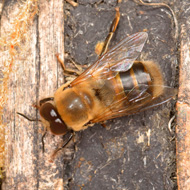
After colony-level exposure, males were found to have shorter lifespans and produce fewer living sperm.
International scientists are calling for greater action to protect bees after discovering that two neonicotinoids can reduce the lifespan and number of living sperm produced by male honey bees. It is the first study ever to explore the impact of these chemicals on drones.
There is currently a partial ban on the three widely used neonicotinoid insecticides - thiamethoxam, clothianidin and imidacloprid - in the European Union and Switzerland. Past research indicates exposure to these chemicals has lethal and sub-lethal effects on honey bee females, but nothing was known about how they impact males.
A new study led by the University of Bern in Switzerland and Agroscope at the Swiss Confederation, in collaboration with colleagues from Thailand and Germany, suggests that male honey bees, or drones, are vulnerable to thiamethoxam and clothianidin.
The findings have been published in the Proceedings of the Royal Society of London B: Biological Sciences.
Males kept in the laboratory after colony-level exposure were found to have shorter lifespans and produce fewer living sperm. This could be having significant consequences for colonies, as the queen bee - who is essential to the functioning of the colony - must be properly inseminated with healthy sperm from multiple males. Recent bee keeper surveys have highlighted poor queen health as important in the loss of honey bee colonies.
Lead author Lars Straub explained: "Most neonicotinoid studies that employ honey bees have focused on workers, which are typically the non-reproductive females of the colony. Male honey bees have really been neglected by honey bee health scientists; while not surprising, these results may turn a few heads."
The research team believe their findings underline the importance of more thorough environmental risk assessments of agricultural chemicals. Millions of honey bee colonies in Europe and North America produce honey and pollinate a range of agricultural crops, offering crucial economic and ecosystem benefits. Yet bee keepers throughout the northern hemisphere have struggled to maintain healthy honey bee colonies in recent years.


 Companies marketing medicines for small pets exempt from authorisation must submit their annual return to the Veterinary Medicines Directorate (VMD) by 30 November 2026.



