


Report highlights the benefits of upland sheep
"This sector, that is so traditional yet still acts as a cornerstone of much of the modern UK sheep industry, continues to come under threat from many quarters."
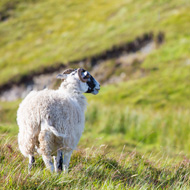
A new report by the National Sheep Association (NSA) shines a light on the benefits of sheep farming in upland and hill areas of the UK.
The wide range of public goods and services mentioned in the report include food production, landscape management, environmental stewardship and cultural heritage. Despite this the sector continues to face many threats, according to NSA chief executive Phil Stocker.
"NSA has produced the report because this sector, that is so traditional yet still acts as a cornerstone of much of the modern UK sheep industry, continues to come under threat from many quarters," he explained.
"Much of this is due to misguided policy direction and a lack of understanding of the many 'by products' of upland sheep farming.
"These public goods go beyond its core agricultural outputs of food and wool; they include its foundation of fragile rural economies and communities, its creation and maintenance of landscapes and environments, and its contribution to tradition and heritage."
All of these benefits add to our ecosystems and sense of enjoyment and wellbeing, Mr Stocker added, yet the sector is "rarely recognised or valued".
The report, The complementary role of sheep in upland and hill areas, launched this week at the NSA Sheep Event. It will form the basis of upcoming Brexit discussions, ensuring the hills and uplands are not left out of decisions on the future of agricultural support once the UK leaves the EU.


 Companies marketing medicines for small pets exempt from authorisation must submit their annual return to the Veterinary Medicines Directorate (VMD) by 30 November 2026.



