


Tesco to stop sourcing caged eggs by 2025
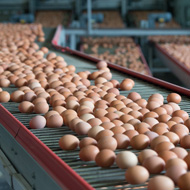
The news received a warm welcome from the British Hen Welfare Trust, who said it will mean better welfare for millions of laying hens in the long term.
Tesco has announced that it will stop sourcing eggs from caged hens by 2025. Instead, the company will work with supplier partners to switch to alternative sourcing methods, such as barns, free range and organic.
Out of the 1.4 billion eggs currently sold by Tesco, 43 per cent are from caged hens, also known as 'enriched colonies', while 57 per cent are from free range or organic methods.
Matt Simister, Tesco's commercial director for fresh food, commented: "We carried out an extensive and collaborative review with our suppliers and key industry experts to help us work through how best we can move to 100 per cent cage-free eggs. This will ensure we give our supplier partners the certainty they require, to make the significant and necessary investments needed for the new farming systems."
The news received a warm welcome from the British Hen Welfare Trust, who said it will mean better welfare for millions of laying hens in the long term.
Duncan Priestner, poultry chairman at National Farmers' Union (NFU), said that although the news is "concerning" for colony British egg producers who adhere to high welfare standards, Tesco is working with producers to ensure they do not suffer negative impacts.
"We are however concerned about the wider impact this will have on the sector and will continue to hold talks with the supply chain," Mr Priestner added.
Based on a meeting between NFU and Tesco, Mr Priestner understands that barn is the likely alternative to colony cage. NFU is seeking assurance that there will not be an exit from that system in a few years' time, following significant financial investment by producers.
Veli Moluluo, managing director of Noble Foods Ltd - which is Tesco's largest supplier of eggs - said work is already underway to investigate new methods of egg production: "Commitment from Tesco to move away from enriched colony production in a manageable timeframe gives us the confidence and ability to invest for the long term."


 Companies marketing medicines for small pets exempt from authorisation must submit their annual return to the Veterinary Medicines Directorate (VMD) by 30 November 2026.



