


Researchers utilise International Space Station for wildlife
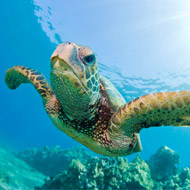
Animals across the globe have been fitted with small GPS transmitters.
Researchers are planning to use the International Space Station to help track animals and better understand their behaviour.
The ICARUS Project (International Cooperation for animal research using space) has been developed by the Max Planck Institute for Ornithology.
Animals across the globe have been fitted with small GPS transmitters and, next year, a dedicated receiver will be sent up to the International Space Station.
Once it is up, researchers hope to map the whereabouts of birds, bats and turtles in real time.
“It will be the best ever possible sensing network of life on the planet,” said project director Dr Martin Wikelski, speaking to The Atlantic.
The team have secured 19 million euros from the German Aerospace Centre, as well as 1.7 million euros from the Max Planck Society to make very small tags.
Currently the tags weigh around five grams, but the team wants to reduce this to just one. This would allow them to track light birds like swifts.
Around 50 research teams will use ICARUS to track wildlife. Eventually, all the data will be uploaded MoveBank a free online database created to help researchers share animal movement data.
“It’s a big data project for life on the planet,” adds Wikelski.


 Companies marketing medicines for small pets exempt from authorisation must submit their annual return to the Veterinary Medicines Directorate (VMD) by 30 November 2026.



