


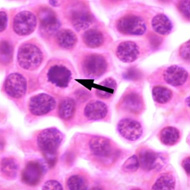
Direct transmission seen in mussels, cockles and clams
Contagious cancer cells are spreading among several species of shellfish through sea water, scientists have revealed. The findings suggest direct transmission of cancer among some marine animals may be more common than previously thought.
Until recently, direct transmission of cancer had only been seen in two species of mammal. Sexually transmitted tumours are known to exist in dogs and Tasmanian devil populations have been devastated by a facial cancer that is spread by biting.
Last year, a third example was found in the soft shell clam (Mya arenaria). The research team behind this discovery was led by Stephen Goff from the Columbia University Medical Center (CUMC).
Wanting to find out if cancers in other molluscs were caused by contagious cells, they examined the DNA of cancers and normal tissue in mussels, cockles and golden carpet shell clams, which were collected from the coasts of Canada and Spain.
In each species, they found that the cancer had originated in another individual. In the carpet shell clam, the infectious cancer cells had come from a different species altogether, which researchers say was due to cross-species transmission.
Their findings have been published in the journal, Nature.
Going forward, researchers hope to investigate the mutations that are responsible for cancer cell transmissions.


 Companies marketing medicines for small pets exempt from authorisation must submit their annual return to the Veterinary Medicines Directorate (VMD) by 30 November 2026.



