


Chemical in the breath 'could flag low blood sugar'
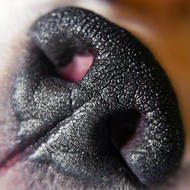
"Humans aren’t sensitive to the presence of isoprene, but dogs with their incredible sense of smell, find it easy to identify and can be trained to alert their owners about dangerously low blood sugar levels.
Cambridge scientists say a chemical found in the breath may act as a warning for low blood sugar levels in people with type 1 diabetes. They believe their research could help to explain how some dogs can be trained to detect falling blood sugar levels.
The findings, which have been published in Diabetes Care, show that a naturally occurring chemical rose significantly when eight women with the condition became hypoglycaemic.
Hypoglycaemia can cause shakiness, disorientation and fatigue, and, unless the patient receives a sugar boost promptly, seizures can follow, leading to unconsciousness. In some sufferers, this can occur with little warning.
Researchers believed that naturally occurring chemicals in exhaled breath may change when blood glucose levels drop. In their preliminary study, the team gradually lowered the blood sugar levels of eight women with type 1 diabetes under controlled conditions.
Using mass spectrometry, they found that levels of the chemical isoprene rose significantly at hypoglycaemia - almost doubling in some cases.
Dr Mark Evans, honorary consultant physician at Addenbrooke's Hospital, said that dogs may be sensitive to isoprene.
"Humans aren’t sensitive to the presence of isoprene, but dogs with their incredible sense of smell, find it easy to identify and can be trained to alert their owners about dangerously low blood sugar levels. It provides a ‘scent’ that could help us develop new tests for detecting hypoglycaemia and reducing the risk of potentially life-threatening complications for patients living with diabetes."
The team hope that a new breath test could replace the current finger-prick test, which is inconvenient and painful for patients, as well as being relatively expensive to administer.


 Eligible members of BEVA will be able to vote for their Council team until Monday, 17 August 2026. Members will have received an election email on 17 July.



