


Scotland plans to ban wild animals in circuses
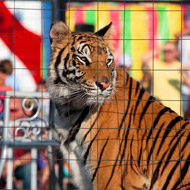
Calls for a Scottish ban were prompted in 2014 when it emerged that, during winter, circus big cats were being kept in cages of a 'beast wagon' near Fraserburgh, Aberdeenshire. (stock photo)
Scotland could become the first part of the UK to ban the use of wild animals in circuses. A spokeswoman recently announced the government's intention to outlaw the practice - which came as welcome news for animal welfare campaigners.
According to The Scotsman, the spokeswoman said: "The Scottish Government intends to ban the use of wild animals in circuses. We are currently investigating the best mechanism for introducing legislation on ethical grounds and will make further announcements in due course."
Calls for a Scottish ban were prompted in 2014 when it emerged that, during winter, circus big cats were being kept in cages of a 'beast wagon' near Fraserburgh, Aberdeenshire.
A consultation subsequently found 98 per cent of people supported a ban.
Responding to the Scottish government's pledge, the BVA and BVA Scottish branch, said: "As the leading representative body for vets, we have long campaigned on this issue. The welfare needs of non-domesticated, wild animals cannot be met within a travelling circus in terms of housing nor being able to express normal behaviour…
"We are pleased to see the new Scottish government not only identifying opportunities to improve animal health and welfare in Scotland, but taking hold of these opportunities with both hands - and we would urge other UK governments to follow their lead."
The Born Free Foundation said it was "delighted" by the news, but asked for clarification on when the ban would be implemented. Westminster has made a similar pledge, going so far as to publish draft legislation that would have banned the use of wild animals in circuses by December 2015, but the government has yet to make parliamentary time for the issue.
Chris Draper, programmes manager for captive wild animals at Born Free, commented: "We would hate to see Scotland replicate the mistakes and delays that have occurred south of the border, and urge the Scottish government to act swiftly to end the practice once and for all."


 Companies marketing medicines for small pets exempt from authorisation must submit their annual return to the Veterinary Medicines Directorate (VMD) by 30 November 2026.



