


Born Free condemn the move
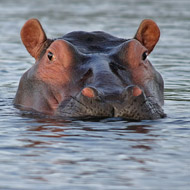
The Republic of Zambia plans to cull 400 hippos a year for the next five years to prevent the future spread of anthrax among wild animals.
Taking place in the Luangwa River Valley, reports suggest the cull was sanctioned by the Zambian Department of National Parks (ZDNP) as a 'wildlife management tool'.
International wildlife charity Born Free have condemned the move and are now calling for authorities to abandon the cull ‘with immediate effect'.
Born Free president Will Travers said: “At a time when wildlife populations of multiple species are under extreme pressure across much of Africa, many, including Born Free and our supporters around the world, fundamentally question the logic of killing thousands of hippo, and turning the flood plains of the Luangwa River Valley into ‘killing fields’".
The cull is taking place along a 250km stretch of riverine forest between Chikwa in north Luangwa and Lusangazi in south Luangwa. However, local stakeholders say they were only warned about the cull four days before it began.
The stakeholders were also advised the killing would be opened up to non-Zambian trophy hunters, raising questions about the legality of the hunt and its motivations.
Mr Travers continued: “There are many questions about this abhorrent activity, questions that simply must be answered: Is it a cull or is it ‘trophy hunting’? What is the scientific rationale for killing up to 2,000 hippo (there are perhaps as few as 80,000 hippo in all of Southern Africa)? Is culling an effective way of addressing the possible spread of anthrax? Where will the money from the cull really end up? Is there truly an over-population issue with hippo in the Luangwa area?"
He continued: “I am sure the hippo cull, along with Zambia’s decision to re-instate trophy hunting of lions, will cause many to question whether Zambia is the right wildlife safari destination for them. I urge the authorities to call a halt to the killing with immediate effect.”
The hippopotamus is listed as Vulnerable on the IUCN Red List of Threatened Species.
Recent estimates suggest there has been a 7-20 per cent decline in hippo populations in the last 10 years.


 Companies marketing medicines for small pets exempt from authorisation must submit their annual return to the Veterinary Medicines Directorate (VMD) by 30 November 2026.



