


Two racehorses test positive for banned substance
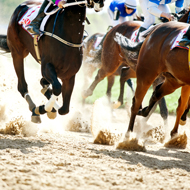
Under World Anti-Doping Agency Rules, EPO has been banned for use by human athletes since the 1990s. (stock photo)
Two horses and their riders have tested positive for the banned substance human Erythropoietin (EPO).
Samples taken on 22 April from a race in Doha contained the substance banned under the FEI’s Equine Anti Doping and Controlled Medication Regulations.
The winning horse Centurion, and second placed horse SUR, returned positive samples of EPO, a performance-enhancing drug, banned for equine use since 2010.
FEI veterinary director Göran Akerström said: “EPO is well known in human endurance sports in which an increased number of oxygen-carrying red blood cells is an advantage, but the substance has little benefit in equestrian sport and this is the first time we have seen FEI horses testing positive for EPO”.
Under World Anti-Doping Agency Rules, EPO has been banned for use by human athletes since the 1990s. It is a peptide hormone that is released from the kidneys to stimulate bone marrow to produce red blood cells. This improves blood oxygenation in the muscles.
However, Akerström continued: “The use of EPO would have a negative effect in many horses as the increased level of red blood cells would slow down blood circulation.”
FEI secretary general Sabrina Ibanez said: “We will take whatever measures are necessary to ensure that there is no room in our sport for those who attempt to gain a competitive advantage through the use of prohibited substances”.
The horses and jockeys have commenced provisional two-month suspensions effective from the date of notification, 2 June, 2016.


 Companies marketing medicines for small pets exempt from authorisation must submit their annual return to the Veterinary Medicines Directorate (VMD) by 30 November 2026.



