


Zika virus may spread to Europe
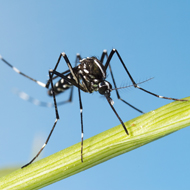
The report found the risk of Zika virus is higher in countries where Aedes mosquitoes are present.
The Zika virus may spread to parts of Europe this summer, according to a report published by the World Health Organisation (WHO).
Experts say the overall risk of a Zika outbreak across Europe is low to moderate during the late Spring and Summer.
While the risk varies across the region, the report found it is higher in countries where Aedes mosquitoes are present, such as the islands of Madeira and the north-east coast of the Black Sea.
In response to their findings, WHO have issued a list of recommendations for countries with high and moderate likelihood of Zika transmission. These include strengthening vector-control activities to prevent the introduction and spread of mosquitoes, and equipping health professionals to detect local
transmission of Zika virus early.
Other countries are expected to focus on adapting vector-control strategies according to their likelihood of local Zika virus transmission, detecting imported cases of Zika virus early, and providing public health advice to travellers to and from affected countries.
Dr Nedret Emiroglu, director of the communicable diseases and health security division, WHO regional office for Europe, said: “We stand ready to support European countries on the ground in case of Zika virus outbreaks. Our support to countries in the Region to prepare for and respond to health risks such as Zika is a key aspect of the reform of WHO’s work in emergencies.”
In June, WHO will convene a regional consultation in Portugal to examine the conclusions of the risk assessment. Here it will also identify countries’ needs, strengths and gaps in relation to preventing and responding to the disease.


 Companies marketing medicines for small pets exempt from authorisation must submit their annual return to the Veterinary Medicines Directorate (VMD) by 30 November 2026.



