


RSPCA to become "less political"
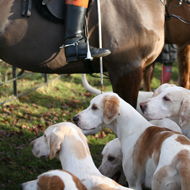
Mr Cooper suggested it is unlikely the RSPCA will bring private prosecutions against fox hunts in future.
The RSPCA is set to become "a lot less political" in future, according to its new chief executive, Jeremy Cooper, who apologised for the charity's past mistakes.
Giving his first interview as chief executive, Mr Cooper told The Telegraph he hopes to see fewer private prosecutions being brought by the charity during his tenure.
In recent years the charity has come under fire for a number of its decisions, including prosecution of the Heythrop Hunt in 2012, at a cost of more than £330,000. It has also been accused of being too 'heavy handed' with pet owners. A recent review found the charity had acted unlawfully when it seized and euthanised a 16-year-old cat named Claude.
"We are going to be a lot less political," Mr Cooper said. "It doesn't mean we won't stand up for animals. But we are not a political organisation."
The RSPCA has been without a permanent chief executive since February 2014 when Gavin Grant stepped down due to 'medical concerns about his health'.
"My style of advocacy is encouragement and dialogue," Mr Cooper explained. "The [previous] leadership was too adversarial. If you want to shout and use rhetoric that's fine but it isn't helpful to anybody. It is not going to make friends and influence people. People won't like you for it."
During the interview he seemed to suggest it is unlikely the charity will bring prosecutions against fox-hunts in future. "We will investigate where we have been told that illegal hunting is taking place. But we will then pass on our findings to the authorities to determine the right course of action.
"We have to trust that where this is a clear breach of the law, and it is in the public interest, then the appropriate authorities will take action. As with any organisation or citizen we reserve the right to take action if the authorities fail to act, but we expect that to be very unlikely."
Overall, he hopes to see the number of prosecutions go down during his tenure. "The prosecutions have to be appropriate," he said. We should look to fall back on education and advice wherever possible. It needs to be appropriate, measured and balanced in terms of our response."
The charity has also alienated farmers with its anti-badger cull campaign, he added, as he commented on his predecessor's call to 'name and shame' farmers that had taken part.
"We care as equally about badgers as we do about dairy cows. Calls for naming and shaming of farmers who shoot badgers is not helpful. We don't have an issue with the need to manage badgers. It is the method."
During his time as chief executive, Mr Cooper would like to acknowledge the charity's good work and rebuild morale among the workforce. "It's about looking forward. It is about doing what we can do on animal welfare, the prevention of cruelty, rescue, rehabilitation and rehoming. That is what we are about."


 Companies marketing medicines for small pets exempt from authorisation must submit their annual return to the Veterinary Medicines Directorate (VMD) by 30 November 2026.



