
Your data on MRCVSonline
The nature of the services provided by Vision Media means that we might obtain certain information about you.
Please read our Data Protection and Privacy Policy for details.

In addition, (with your consent) some parts of our website may store a 'cookie' in your browser for the purposes of
functionality or performance monitoring.
Click here to manage your settings.
If you would like to forward this story on to a friend, simply fill in the form below and click send.

Your friend's email:
Your email:
Your name:
 
 
Send Cancel

Metacam approved for use in sheep
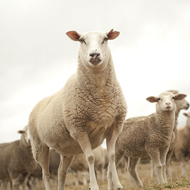
Sheep
This is the first approval for Metacam 20mg/ml in sheep.

Follows trilateral drug review in Canada, Australia and New Zealand

Boehringer Ingelheim have obtained approval for the use of Metacam 20mg/ml in Canada, Australia and New Zealand for the alleviation of pain and inflammation in sheep.

Although the drug is already authorised for use in cattle, pigs, and horses in many countries, this is the first approval for Metacam 20mg/ml in sheep.

The approval comes following a trilateral drug review between regulators in Canada, Australia and New Zealand. 

To continue reading please visit vetcommunity.com.

Become a member or log in to add this story to your CPD history

Annual submission deadline small pet animal exemptions

News Story 1
 Companies marketing medicines for small pets exempt from authorisation must submit their annual return to the Veterinary Medicines Directorate (VMD) by 30 November 2026.


Submitting this annual return ensures continued compliance with regulatory requirements for products marketed without a full Marketing Authorisation. The exemption specifically applies to products intended for animals, cage birds, terrarium animals, small rodents, ferrets and rabbits.

For further details and submission guidelines, visit the gov.uk website.  

Click here for more...
News Shorts
BVA urges 'continued vigilance' over bluetongue

The British Veterinary Association (BVA) has urged vigilance following a concerning rise in Bluetongue (BTV) cases in sheep and cattle.

In a recent statement, the BVA noted that members are reporting more severe clinical signs and higher mortality rates than in previous years.

'We know that farm vets are working hard to support farmers and animals affected by this outbreak, during what is an extremely difficult time for all involved,' they stated. 'Continued vigilance to identify disease early is vital and vaccination remains the best way of protecting animals from this disease.'