


Project to examine leprosy in red squirrels
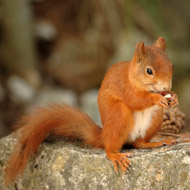
Brownsea Island is home to around 200 red squirrels. Leprosy is thought to have been present on the island for some time, but it has only just been diagnosed as such.
Wildlife experts are hoping to find out more about how leprosy affects British red squirrels on Brownsea Island in Dorset.
Leprosy was first identified in red squirrels in Scotland in 2014, but it is thought to have been present in the squirrel population for centuries.
According to post-mortems, the disease also affects squirrels on the Isle of Wight and Brownsea Island, off the south coast of England. Little is currently known about how it spreads.
Researchers from the University of Edinburgh will work with the National Trust and the Dorset Wildlife Trust. It is hoped their work will offer clues about how the disease is spread between squirrels and how conservationists can help to control it.
Brownsea Island is home to around 200 red squirrels. Leprosy is thought to have been present on the island for some time, but it has only just been diagnosed as such.
Vets will use humane traps to capture the squirrels, before taking blood samples and other clinical samples for analysis.
Across the UK, there are thought to be less than 140,000 red squirrels left. The primary threats to their survival are habitat loss and squirrel pox virus.


 Companies marketing medicines for small pets exempt from authorisation must submit their annual return to the Veterinary Medicines Directorate (VMD) by 30 November 2026.



