


Not all neonicotinoids are the same, study finds
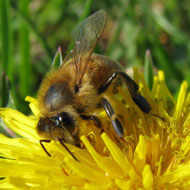
Researchers tested 75 bee colonies at five separate locations in Scotland.
New research conducted by the University of Dundee has revealed that not all neonicotinoids are the same.
There has been growing concern over the risk to bee populations from neonicotinoid insecticides and their long-term consequences to the ecosystem and food security.
But a new study shows that one neonicotinoid - clothianidin - does not show the same detrimental effects on bee colonies as its close chemical relatives imidacloprid and thiamethoxam. All three have been subjected to EU-wide bans on their use.
Study leader Dr Chris Connolly, reader in division of neurosciece at Dundee's School of Medicine, said: “Our knowledge of the risk of neonicotinoids to bees is based on studies of imidacloprid and thiamethoxam and these findings have generally been extrapolated to clothianidin.
“However, in this study we have looked at the three neonicotinoids in parallel. What we have found is that imidacloprid and thiamethoxam, but not clothiandin, exhibit toxicity to bumblebee colonies when exposed at field-relevant levels.
“There was also further variation in the effects on bees between the three insecticides. So we can clearly see that the banned neonicotinoids are not the same, so they should be considered independently when considering risk and legislation.
“From our findings, we consider that it is premature to place a permanent ban on the use of clothianidin. That said, a moratorium on its use should continue until the knowledge gaps are filled on its wider impact on other species.”
In the study researchers tested 75 bee colonies at five separate locations in Scotland.
Dr Connolly says that the study once again confirms the threat to bumblebees from imidacloprid and thiamethoxam.
“We have seen further evidence to indicate the risk from these insecticides, including deficits in colony strength,” he said.
“Given these findings, small changes in the pesticide structure or its target site in insects are likely to be critical to risk assessment and each pesticide/insect combination needs to be considered independently - evidence should not be extrapolated to similar chemicals or insects. Real risk must be determined empirically.”
The results of the study are published in the journal Scientific Reports.


 Companies marketing medicines for small pets exempt from authorisation must submit their annual return to the Veterinary Medicines Directorate (VMD) by 30 November 2026.



