


South Africa will not legalise trade in rhino horn
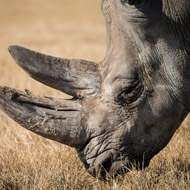
At least 1,338 rhinos were killed by poachers across Africa in 2015.
The Government of South Africa has decided not to proceed with plans to legalise trade in rhino horn.
The decision was reached during a cabinet meeting with the Convention on International Trade in Endangered Species of Wild Fauna and Flora (CITES).
In a statement released last week (21 April) reflecting decisions taken at its meeting, the Government said: “The committee recommends that the current mode of keeping the country’s stock levels be kept as opposed to the trading in rhino horns.”
Welcoming the news, Adam Roberts, chief executive of the Born Free Foundation, said that the organisation commends the South African authorities for reaching what they consider to 'be the right decision’.
“There is certainly much work to do in South Africa to protect rhinos against the scourge of poaching, and a legal trade mechanism could so easily have unravelled all this important work,” he said.
“We look forward to continuing to work with South Africa, other rhino range States, and countries with markets for rhino horn, to bring this scourge to a permanent end, and we call on the international community to do the same so these magnificent animals can survive and thrive long into the future.”
The South African Government and the Private Rhino Owners Association are among those that have spoken in favour of the legalisation of the rhino horn as a way to stop poaching and sales on the black market.
But Born Free, together with partner organisations, scientists, economists and other experts, have strongly argued that legalising the trade would increase demand, provide a mechanism for laundering illegal horn, and undermine law enforcement and demand reduction efforts.
Earlier this year, the IUCN reported that the number of African rhinos killed by poachers had increased for the sixth year in a row, with at least 1,338 rhinos killed by poachers across Africa in 2015.
It is the highest level since the current crisis began to emerge in 2008. Since then, at least 5,940 African rhinos have been killed by poachers.


 Companies marketing medicines for small pets exempt from authorisation must submit their annual return to the Veterinary Medicines Directorate (VMD) by 30 November 2026.



