


Charity aims for rabies free world by 2030
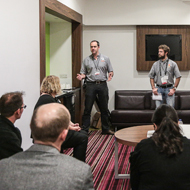
Mission Rabies staff talking to the press at BSAVA Congress.
"With global collaborations the goal to rid the world of rabies by 2030 is more than possible," says Fred Lohr, international liaison and publicity officer at Mission Rabies.
Since its inception three years ago, Mission Rabies has vaccinated around 300,000 dogs and its education programme has reached 350,000 children.
The aim for 2016 is to vaccinate another 30,000 dogs in Milawi, 5,000 in Uganda and Sri Lanka and 10,000 within just one month in Goa.
A sterilisation programme will also begin in Milawi next month, when 1,200 dogs operated on to prevent widespread culling - an ineffective practice carried out in some parts of the world to tackle rabies.
Alongside vaccination, sterilisation and surveillance, education is a key part of the charity's work.
Mr Lohr explained: "We have a training centre in India that works with over 300 vets per year. It's been so successful that there aren't any rabid dogs within a two hour radius, proving that the education programme really works."
The education programme also involves talking to vets about the importance of vaccination, telling local people what they should do if they get bitten by a rabid dog and ensuring charities can continue the work Mission Rabies has started.
Goa has been one of the main areas of success for the charity and the Goan government has now taken over 50 per cent of the project. This joint approach is something Mission Rabies hopes to replicate in other countries.
The charity is seeking more veterinary surgeons, nurses and students to volunteer with the project. For more information visit www.missionrabies.com
Image courtesy of BSAVA


 Eligible members of BEVA will be able to vote for their Council team until Monday, 17 August 2026. Members will have received an election email on 17 July.



