


One in five horse box injuries fatal, data shows
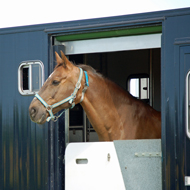
Claims data from NFU Mutual reveals 19 per cent of injuries in horse boxes and trailers result in the horse being euthanised.
Nearly one in five injuries sustained by horses while in horse boxes and trailers are fatal, according to new research.
The figures were released by insurance company NFU Mutual as it announced the launch of 'Horsebox Safety Week' - a new awareness campaign to educate owners about the risks of loading and transporting horses.
As the country prepares for the Grand National, due to begin on 9 April, many will share concerns about the safety of the sport due to equine fatalities, but NFU Mutual says travelling to the racecourse could be even more of a risk.
Claims data from the company reveals 19 per cent of injuries in horse boxes and trailers result in the horse being euthanised. Injuries can be caused by legs falling through rotten floors or trailers overturning after a tyre blow out or other component failure.
Meanwhile, 5 per cent of horses that fall or collapse in the Grand National will be euthanised, the insurer says.
“We are calling for the equestrian community to pay as much care and attention to the safety and maintenance of their horse boxes and trailers as we know they do towards the health and wellbeing of their animals," said Victoria Walton, equine specialist at NFU Mutual.
While all horse boxes must pass an annual MOT or Ministry plating, this does not include a check on the vehicle's safety and suitability for for carrying horses and trailers are not required to pass any safety tests at all, Victoria added.
"This can lead to floors going unchecked for signs of rot, tyres becoming perished and worn through age and vehicles carrying much more weight than they are designed to.
“Getting into a horsebox or trailer is not a natural behaviour for a horse, they do it because they have trust in their owner: our message to horse owners is clear don’t betray that trust. It’s our responsibility to keep them safe and the onus is on owners to prevent a disaster waiting to happen."
Horsebox Safety Week highlights seven of the key transport issues - pre-journey safety checks, old and worn tyres, rotten floors and ramps, overweight vehicles, accidents, breakdowns and safe loading.
NFU Mutual has created a library of videos to help owners to protect their horses. More information on the campaign can be found on Facebook and Twitter using the hashtag #HBSW.


 Companies marketing medicines for small pets exempt from authorisation must submit their annual return to the Veterinary Medicines Directorate (VMD) by 30 November 2026.



