


Vets seek reassurance on welfare codes
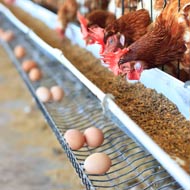
The changes will see a transfer of the code on chicken farming to the British Poultry Council.
Vets are calling for urgent reassurance following the Government’s decision to deregulate farm animal welfare codes.
The BVA say that handing guidance over to industry risks undermining public confidence in animal welfare standards on English farms.
In 2013, Defra consulted on proposals to move away from statutory codes to non-statutory industry-led guidance.
BVA broadly supported this flexibility to allow for guidance to be updated more often, but raised a number of questions regarding enforcement and around the definition of “industry”.
BVA also warned Defra of implications in relation to the message conveyed to stakeholders by such a change and the value attached to the welfare codes by the government.
On Friday (24 March), the Guardian reported that Defra secretary Liz Truss is overseeing moves to devolve farm animal welfare codes to industry groups as part of her department’s move towards the creation of 'industry-led' guidance.
The changes take place on April 27, and will see a transfer of the code on chicken farming to the British Poultry Council.
Following this, Defra will begin work to deregulate guidance in the livestock sectors, including pig, cattle and sheep.
“No changes are being made to farm animal legislation or the strict enforcement and penalties that apply," said a Defra spokesperson.
“We have the highest standards of animal welfare in the world and will continue to listen to and work with all parties,” they add.
The BVA stress that it is essential that any changes to the welfare codes do not undermine public confidence in the high animal welfare standards set for English farms.
BVA president Sean Wensley commented: “Although BVA broadly supported the idea of moving to a more flexible system that could take account of new animal welfare science, we maintained that a range of expertise must be used to draw up new guidance.
“We are pleased that there will be no changes to the legislation that underpins animal welfare but it is unclear where the checks and balances now lie. It is vital that Defra puts measures in place urgently to provide that reassurance.
“The Secondary Legislation Scrutiny Committee has suggested that it would be possible for the fundamental principles to be laid down in statutory codes which are subject to parliamentary scrutiny with operational details being set out in guidance.
“This idea may be worth further exploration to allow both the flexibility required to reflect new animal welfare science and the public confidence that the statutory welfare codes currently provide.”


 Companies marketing medicines for small pets exempt from authorisation must submit their annual return to the Veterinary Medicines Directorate (VMD) by 30 November 2026.



