


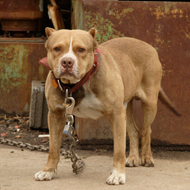
New sentencing guidelines reflect changes in the law
Harsher sentences will be handed to those convicted of dangerous dog offences under new guidelines published by the Sentencing Council for England and Wales.
The new guidance reflects changes in the law which came into force in 2014, making it an offence for dogs to injure assistance dogs and extending the law so that owners could be prosecuted if their dog is dangerously out of control on private property, as well as in public places.
Maximum sentences also increased substantially, with owners now facing up to 14 years in prison if their dog kills a person and up to five years if someone is injured.
The guidelines, which come into effect from July 2016, cover offences where a person owns a banned breed of dog, where a dog injures or kills a person, or injures an assistance dog.
They aim to provide a clear framework for sentencers and ensure a consistent approach in sentencing for these offences. Reflecting changes in the law, they cover offences on private property and attacks on assistance dogs.
District judge Richard Williams, a member of the Sentencing Council, said: "We know that the majority of dog owners are responsible and ensure their pets do not put anyone in danger, but there are some irresponsible owners whose dogs do put people at risk of injury and in some cases even death.
"The new guidelines will help ensure a consistent and proportionate approach to sentencing following the significant changes to the law. They allow for a broad range of sentences to be given, depending on the seriousness of each offence, and encourage courts where appropriate to use their other powers to ban people from keeping dogs or to order them to pay compensation to victims.
Courts dealing with dangerous dog offences see a wide range of offending behaviour - from owners who deliberately train their dogs to attack, to those who are generally responsible but have a brief lapse in control - which is taken into account in the new guidelines.
Malcolm Richardson, National Chairman of the Magistrates Association, said no two cases are the same: "Magistrates appreciate having as flexible a range of guidelines at their disposal as possible. It helps them to do their job of steering justice fairly."
The news has also been welcomed by the charity Guide Dogs, which says it hears of more than 100 dog attacks on assistance dogs every year. This is not only distressing for the dog's owner at the time, but leads to more long-term issues as they may have to be without their dog for a period of time.


 Eligible members of BEVA will be able to vote for their Council team until Monday, 17 August 2026. Members will have received an election email on 17 July.



