


Spider diet more diverse than previously thought
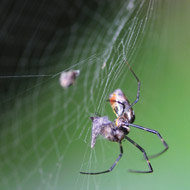
10 families were reported to feed on a range of different plants, such a grasses, terms, orchids, trees, shrubs and weeds.
Spiders have a more varied diet than previously thought and may use plant food to supplement their insect prey, a new study has found.
Although traditionally viewed as a predator of insects, scientists have become increasingly aware that this is not all spiders eat. They have been known to feast on fish, frogs or even bats.
Now, new research published in the Journal of Arachnology shows that spiders also like to eat plant material.
In the study, a team of international zoologists collected literature of spiders eating plant food.
According to their review, spiders from 10 families were reported to feed on a range of different plants, such a grasses, terms, orchids, trees, shrubs and weeds.
They were also found to have a diverse taste when it comes to the type of plant food. Nectar, honeydew, plant sap, leaf tissue and pollen all feature on the menu.
The most prominent group of spiders who ate plants were the Salticidae - a diurnal spider family with characteristically large eyes.
The unusual eating habit was reported from all over the world, but more so in warmer areas. The researchers suggest that this might be due to the fact that many of the reports relate to nectar consumption.
Lead author Martin Nyffeler, from the University of Basel in Switzerland, said: “The ability of spiders to derive nutrients from plants is broadening the food base of these animals; this might be a survival mechanism helping spiders to stay alive during periods when insects are scarce.
“In addition, diversifying their diet with plant is advantageous from a nutritional point of view, since diet mixing is optimising nutrient intake.”
The researchers note that more studies are needed to look into the various food categories that make up the spiders diet. However, the review is expected to lay a foundation for future research on the topic.


 Companies marketing medicines for small pets exempt from authorisation must submit their annual return to the Veterinary Medicines Directorate (VMD) by 30 November 2026.



