


Red deer study reveals impact of inbreeding
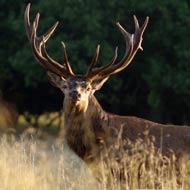
To gather a rare example of the effects of inbreeding in wild animals, researchers used a DNA screening tool.
Inbred red deer on a Scottish island are less likely to survive to breeding age, new research has shown. Females with first cousin parents raised only one quarter the amount of total offspring to adulthood as others.
Inbred hinds were less likely to reproduce and those that did had a reduced likelihood of rearing calves to independence. Male red deer born to first cousin parents sired one twentieth of the average male expected offspring production.
To gather a rare example of the effects of inbreeding in wild animals, researchers used a DNA screening tool to gain a detailed measure of each individual deer residing on a Scottish Natural Heritage site, the Isle of Rum National Nature Reserve.
Scientists at the Universities of Edinburgh, Cambridge and the Australian National University combined their findings with data spanning a 40-year study.
Professor Josephine Pemberton of the University of Edinburgh's School of Biological Sciences said: “Combining sophisticated genetic analysis techniques with long-term data on individual deer life histories has revealed surprising results about how damaging inbreeding is in adult life.”
Published in Proceedings of the National Academy of Sciences, the study was supported by the European Research Council and the Natural Environment Research Council.
Chris Donald, Scottish Natural Heritage’s South Highland Operations Manager said: “This work will clearly have considerable implications on how we conserve and manage endangered deer populations where the risks of inbreeding are high.”


 Companies marketing medicines for small pets exempt from authorisation must submit their annual return to the Veterinary Medicines Directorate (VMD) by 30 November 2026.



